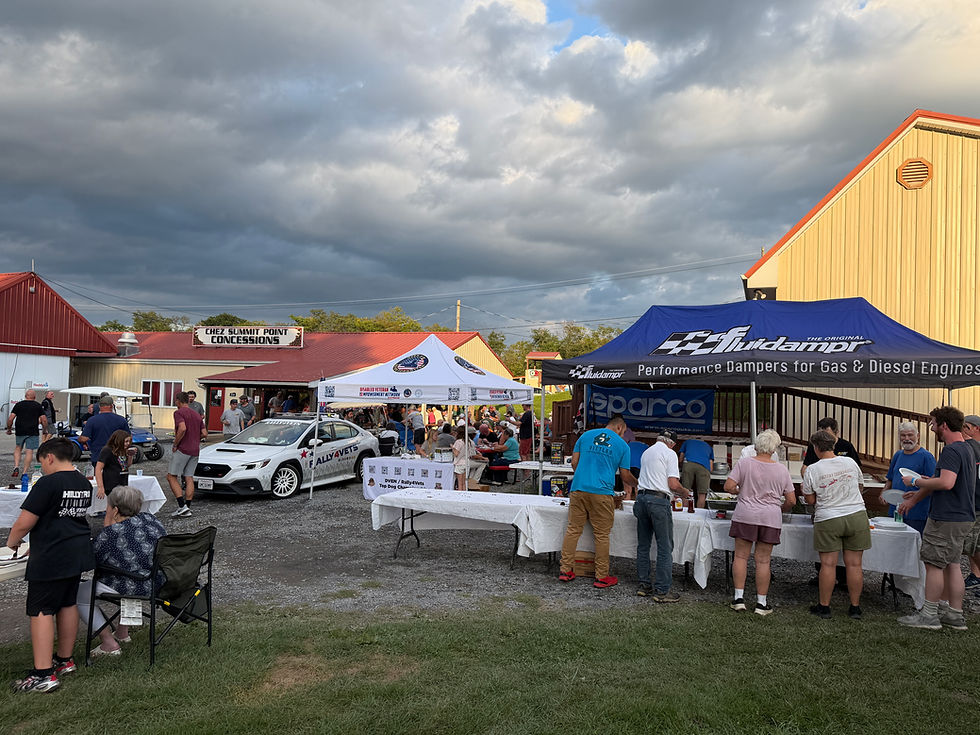
The Importance of Service Dogs for Veterans

There is a quiet bond between a veteran and their service dog. It is a bond forged in trust, resilience, and healing. When I think about the journey many veterans face after service, I see a path often shadowed by invisible wounds. Service dogs are not just companions; they are lifelines. They offer more than comfort—they provide independence, safety, and a renewed sense of purpose. This is why service dogs for veterans are so vital, and why the process of training these dogs is a cornerstone of their success.
How Service Dogs for Veterans Transform Lives
Imagine waking up every day with a weight on your chest that no one else can see. Anxiety, PTSD, and physical disabilities can make even the simplest tasks feel insurmountable. Service dogs step into this space with a unique ability to ease these burdens. They are trained to recognize signs of distress, interrupt panic attacks, and provide physical support.
For example, a service dog might nudge a veteran during a flashback, grounding them in the present. Or, they might retrieve medication or open doors, restoring a sense of autonomy. These dogs are not pets; they are partners in navigating a world that can feel overwhelming.
The impact goes beyond the individual. Families notice the change too. The presence of a service dog can reduce stress at home, improve social interactions, and create a more stable environment. This ripple effect strengthens the entire community around the veteran.

The Rigorous Path of Veteran Service Dog Training
Training a service dog for a veteran is no simple task. It requires patience, precision, and a deep understanding of the unique challenges veterans face. The process begins with selecting the right dog—one with the temperament, intelligence, and calm demeanor necessary for service work.
Next comes specialized training tailored to the veteran’s needs. This can include:
Task training: Teaching the dog to perform specific actions like retrieving items, providing balance support, or alerting to medical conditions.
Behavioral training: Ensuring the dog remains calm in crowded or noisy environments.
Socialization: Exposing the dog to various settings to build confidence and reliability.
The training is ongoing. Veterans and their dogs often train together, building a partnership that grows stronger over time. This shared journey builds trust and communication, which are essential for the dog to respond effectively in moments of crisis.
If you want to learn more about the detailed process, veteran service dog training offers comprehensive programs designed to meet these exact needs.
The Emotional and Psychological Benefits of Service Dogs
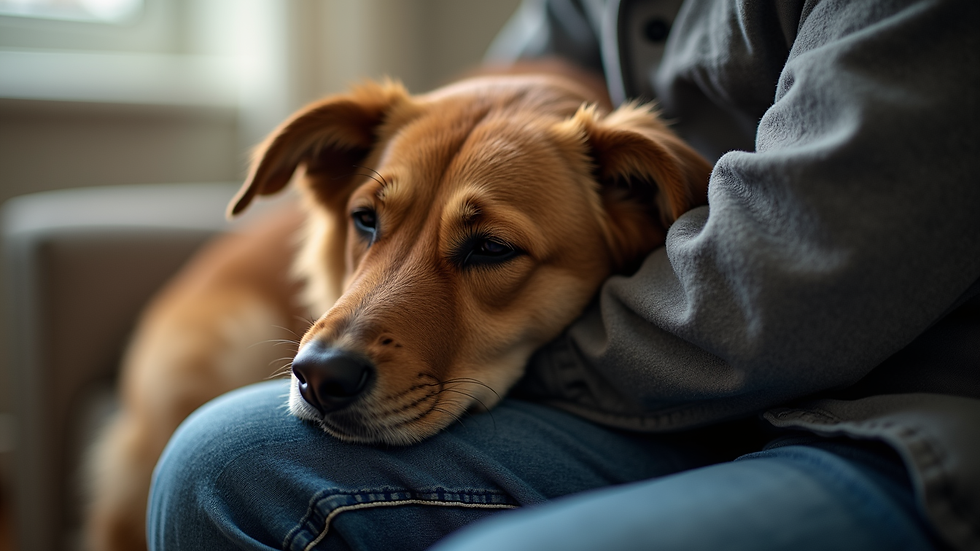
There is something profoundly healing about the presence of a service dog. They offer unconditional acceptance and a steadying presence that can soothe the most turbulent emotions. For many veterans, this companionship is a lifeline.
Consider the veteran who struggles with isolation. A service dog encourages daily routines—walks, playtime, training sessions—that foster connection and purpose. These activities combat loneliness and depression, creating a structure that supports mental health.
Moreover, service dogs can help regulate emotions. Their ability to sense changes in mood or stress levels allows them to intervene before a situation escalates. This proactive support can reduce the frequency and severity of panic attacks or depressive episodes.
The bond formed is not just functional; it is deeply emotional. Veterans often describe their service dogs as their "anchors" or "silent heroes." This relationship nurtures resilience and hope, essential ingredients for long-term well-being.
Practical Tips for Supporting Service Dog Partnerships
If you are part of a community that supports veterans, there are meaningful ways to contribute to the success of service dog partnerships:
Respect the bond: Understand that the service dog is a working partner, not a pet. Avoid distractions or petting without permission.
Educate yourself: Learn about the tasks service dogs perform and the challenges veterans face. This knowledge fosters empathy and support.
Advocate for access: Support policies that allow service dogs in public spaces, housing, and transportation.
Volunteer or donate: Many organizations rely on community support to train and place service dogs with veterans.
Create welcoming environments: Whether at events or in everyday settings, ensure spaces accommodate veterans and their service dogs.
By embracing these practices, you help build a community where veterans and their service dogs can thrive.
Building a Future of Hope and Healing
The journey of a veteran and their service dog is a testament to resilience and partnership. It is a story of overcoming invisible battles with the help of a loyal companion. As I reflect on this, I am reminded that every step forward is a victory—not just for the veteran, but for all of us who believe in the power of healing and connection.
Service dogs for veterans are more than helpers; they are symbols of hope. They remind us that no one has to face their struggles alone. Through dedicated training, compassionate support, and community engagement, we can ensure that these partnerships continue to flourish.
Together, we can build a future where every veteran finds strength, joy, and purpose alongside their service dog.
Join us in funding our dog's training program: https://donorbox.org/2026-service-dog-program