

PTSD Programs for Veterans: Comprehensive PTSD Support for Veterans

The weight of memories. The silence that screams. The nights that never end. PTSD is not just a diagnosis. It is a lived experience, a shadow that follows many who have served. I know this because I have walked that path, and I have seen others walk it too. But there is hope. There is help. There is a way forward. This post is about that way - a comprehensive look at PTSD programs for veterans, designed to heal, to restore, and to empower.
Understanding PTSD and Its Impact on Veterans
Post-Traumatic Stress Disorder is more than just flashbacks or nightmares. It is a complex condition that affects the mind, body, and spirit. For veterans, PTSD often stems from combat experiences, loss, and the intense pressures of military life. The symptoms can be overwhelming:
Intrusive memories and flashbacks
Avoidance of reminders of trauma
Negative changes in thinking and mood
Heightened reactions and anxiety
These symptoms do not just affect the individual. They ripple through families, friendships, and communities. The struggle is real, but so is the resilience.
Imagine waking up every day with a storm inside your head. The world feels unpredictable, unsafe. Trust is fragile. Connection feels distant. Yet, within this storm, there is a spark - the desire to heal, to reclaim life.
PTSD Programs for Veterans: Pathways to Healing
Healing from PTSD requires more than just medication or therapy alone. It demands a comprehensive approach that addresses the whole person. Here are some of the key programs that have proven effective:
1. Evidence-Based Therapies
Cognitive Processing Therapy (CPT): Helps veterans reframe negative thoughts related to trauma.
Prolonged Exposure Therapy (PE): Encourages facing trauma memories in a safe environment to reduce their power.
Eye Movement Desensitization and Reprocessing (EMDR): Uses guided eye movements to process traumatic memories.
Trained professionals often deliver these therapies in individual or group settings. They provide tools to manage symptoms and rebuild a sense of control.
2. Peer Support Groups
There is profound strength in shared experience. Peer groups create a space where veterans can speak openly, without judgment. They foster camaraderie and understanding, reminding each person that they are not alone.
3. Holistic and Complementary Approaches
Mindfulness and Meditation: Cultivates present-moment awareness and reduces anxiety.
Yoga and Physical Exercise: Helps regulate the nervous system and improve mood.
Art and Music Therapy: Offers creative outlets for expression and healing.
These programs complement traditional therapies and honor the whole person.
4. Family Support and Education
PTSD affects relationships. Programs that include family members help build communication, understanding, and resilience within the home. Education about PTSD empowers loved ones to provide meaningful support.
5. Community Engagement and Purpose-Driven Activities
Engagement in community events, volunteer work, and purpose-driven activities can restore a sense of belonging and meaning. Organizations like Rally4Vets | DVEN focus on building joyful communities that reduce isolation and foster mental well-being.

Navigating Access to PTSD Support Services
Finding the right support can feel daunting. Where do you start? What resources are available? Here are practical steps to access comprehensive PTSD programs:
Reach Out to the Department of Veterans Affairs (VA): The VA offers a range of mental health services tailored to veterans.
Connect with Local Veteran Organizations: Many communities have nonprofits and support groups.
Explore Online Resources: Telehealth and virtual support groups have expanded access.
Consult Healthcare Providers: Primary care doctors can provide referrals to mental health specialists.
Engage with Community Events: Participating in veteran-focused events can open doors to support networks.
Remember, seeking help is a sign of strength, not weakness. It is the first step toward reclaiming your life.
The Role of Community in Healing PTSD
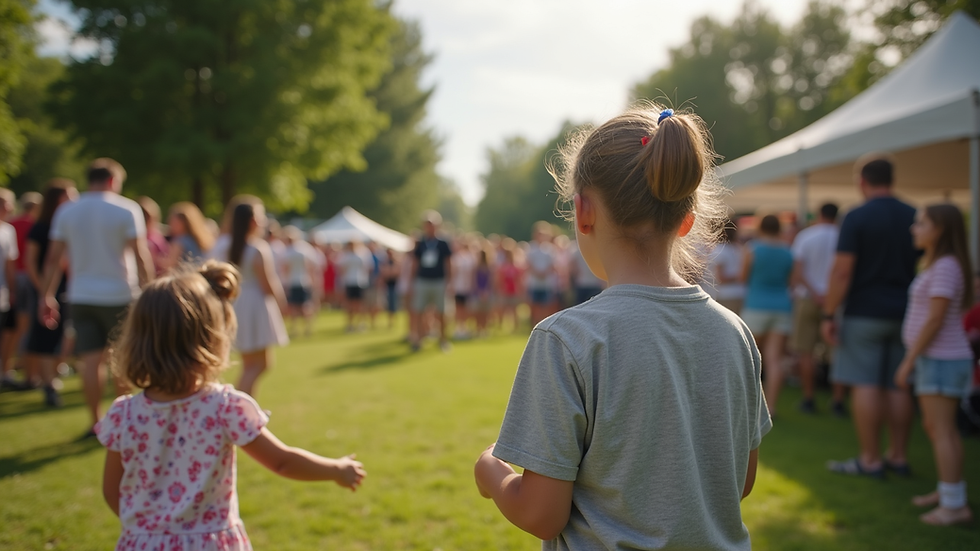
Healing is not a solo journey. It is woven through relationships, shared experiences, and collective strength. Community programs that foster camaraderie and purpose are vital. They create spaces where veterans can:
Share stories without fear
Build friendships that last
Engage in meaningful activities
Find mentors and role models
These connections reduce isolation and build resilience. They remind us that we are part of something larger than ourselves.
Organizations dedicated to veteran well-being understand this deeply. They design programs that are inclusive, engaging, and tailored to the unique needs of veterans and their families.
Taking the Next Step: Your Journey Toward Healing
If you or someone you care about is living with PTSD, know this: help is within reach. The path may be challenging, but it is also filled with hope and possibility. Here are some actionable recommendations:
Start Small: Attend a peer support meeting or community event.
Seek Professional Help: Explore evidence-based therapies with a qualified provider.
Involve Loved Ones: Share your journey with family or close friends.
Practice Self-Care: Incorporate mindfulness, exercise, or creative outlets into your routine.
Stay Connected: Build relationships that nurture and sustain you.
For those looking for veteran ptsd support, organizations like Rally4Vets | DVEN offer comprehensive programs designed to build strong, joyful communities. Their mission to reduce veteran suicide through camaraderie and mental well-being is a beacon of hope.
Healing is possible. Life after trauma can be rich, meaningful, and joyful. The journey begins with a single step - a step toward connection, understanding, and support.
Together, we can build a future where every veteran feels seen, heard, and valued. Where PTSD is met with compassion and comprehensive care. Where hope shines through the darkest nights.


