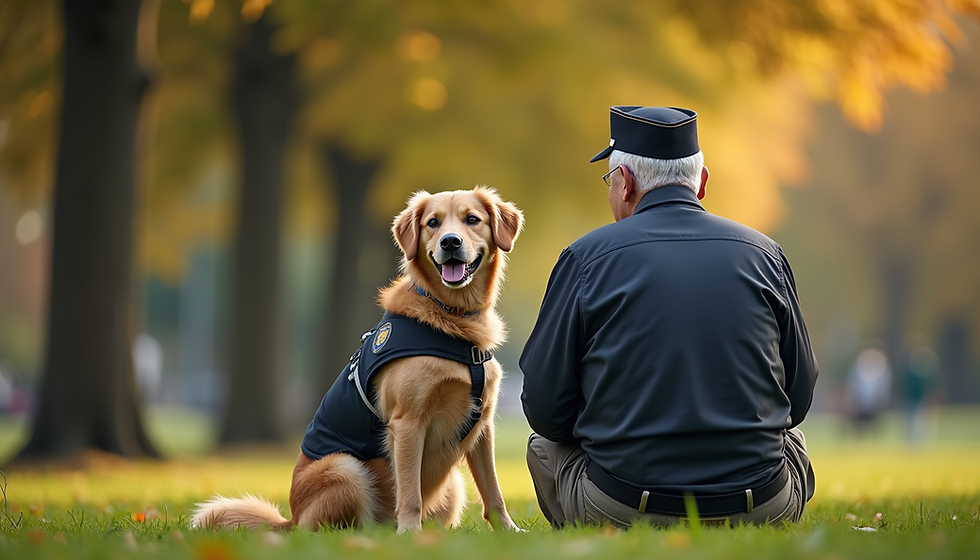
Enhancing Health with Fitness Programs for Veterans

Health is more than a goal. It is a journey. A path paved with sweat, resilience, and the quiet victories of everyday strength. For those who have served, the transition from military life to civilian wellness can be both a challenge and an opportunity. I have walked this path, and I know the power of community, purpose, and movement in reclaiming vitality. This is why fitness programs for veterans are not just about exercise—they are about healing, connection, and rediscovery.
The Power of Fitness Programs for Veterans
When I first encountered veteran fitness programs, I was struck by their unique blend of discipline and compassion. These programs are designed with an understanding of military culture and veterans' specific physical and mental health needs. They offer more than workouts; they offer a space to rebuild strength and renew camaraderie.
Why do these programs matter? Because they address critical issues such as:
Physical rehabilitation: Many veterans face injuries or chronic conditions that require tailored fitness approaches.
Mental health support: Exercise is a proven tool against depression, anxiety, and PTSD.
Social connection: Group activities foster bonds that mirror the brotherhood and sisterhood of service.
Purpose and routine: Structured programs help establish daily goals and a sense of achievement.
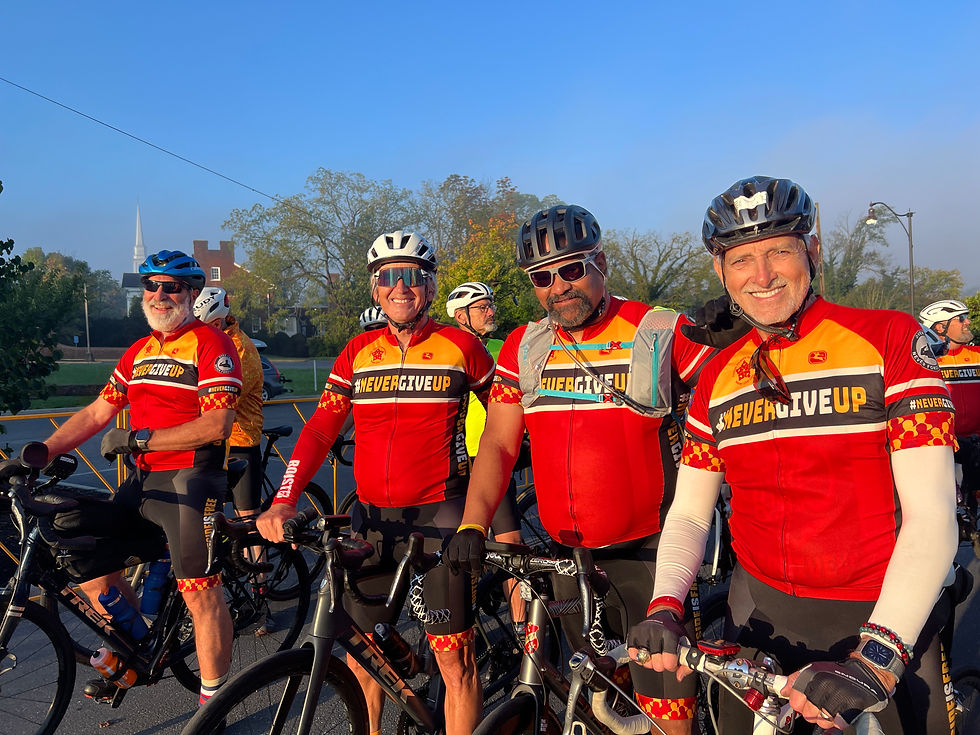
Imagine a morning run or bicycle ride with others who understand your journey, or a strength training session that adapts to your unique needs. These moments become lifelines.
Tailoring Fitness Programs for Veterans
Not all fitness programs are created equal. Veterans require approaches that respect their past experiences and current realities. Here’s how effective programs are tailored:
Assessment and customization
Every veteran’s body and mind tell a different story. Initial assessments help identify limitations and goals. For example, a veteran with joint pain might focus on low-impact cardio and flexibility exercises.
Incorporation of military-style training elements
Many veterans find motivation in familiar training styles—circuit training, obstacle courses, or team challenges. These elements rekindle a sense of discipline and achievement.
Mental health integration
Programs often include mindfulness, breathing exercises, or group discussions to complement physical activity.
Accessibility and inclusivity
Whether in urban centers or rural areas, programs strive to be accessible. Virtual sessions and adaptive equipment ensure no one is left behind.
Community engagement
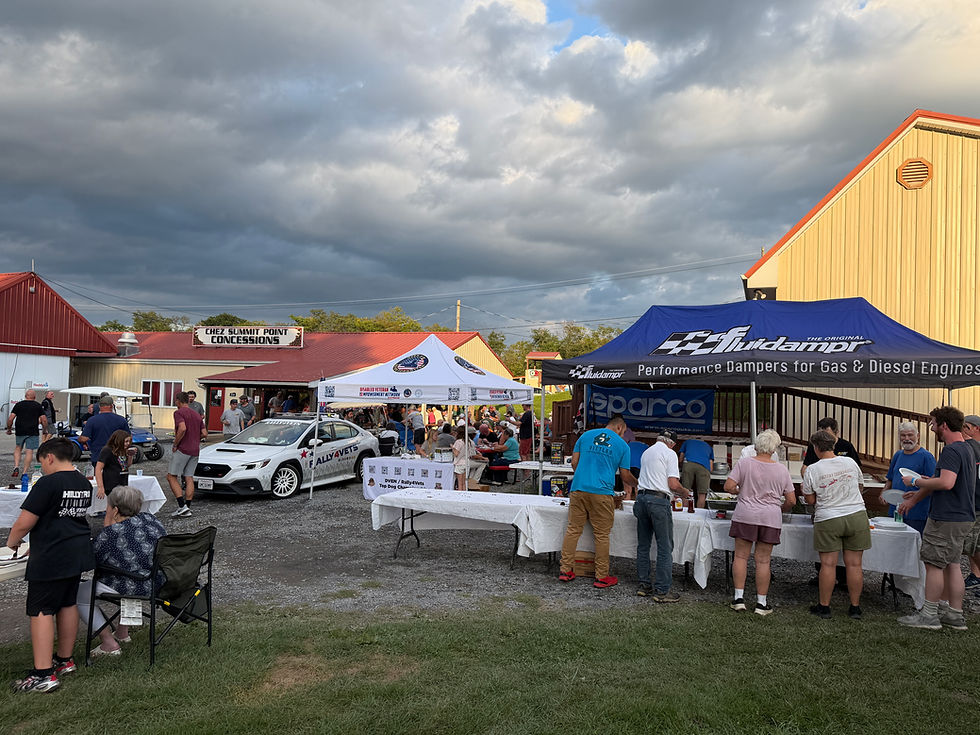
Events, competitions, and social gatherings build a support network beyond the gym.
If you’re considering joining a program, look for these features. They make all the difference.
The Role of Nutrition and Recovery
Fitness is not just about movement. It’s about how you fuel and restore your body. Veterans often face unique nutritional challenges, including managing weight, dealing with medication side effects, or coping with stress eating.
Here are some practical tips I’ve found helpful:
Balanced meals: Focus on whole foods: lean proteins, vegetables, fruits, and whole grains.
Hydration: Drink plenty of water, especially before and after workouts.
Supplements: Consult a healthcare provider about vitamins or minerals that might support your health.
Rest and sleep: Recovery is where you build strength. Prioritize quality sleep and listen to your body’s signals.
Mindful eating: Pay attention to hunger cues and avoid emotional eating patterns.
Recovery also includes stretching, foam rolling, and sometimes professional therapies like massage or physical therapy. These practices reduce injury risk and improve long-term wellness.

How to Get Started with Veteran Fitness Programs
Starting something new can feel daunting. But the first step is often the most powerful. Here’s a simple roadmap to begin your fitness journey:
Set clear, realistic goals
What do you want to achieve? Improved stamina? Weight management? Mental clarity? Write it down.
Find a program that fits your needs
Look for local or online veteran fitness programs that offer the support and structure you need.
Consult your healthcare provider
Especially if you have injuries or chronic conditions, get medical clearance.
Start slow and build gradually
Consistency beats intensity. Even short daily walks count.
Engage with the community
Join group classes or online forums. Share your progress and challenges.
Track your progress
Use a journal or app to celebrate milestones.
Remember, this is your journey. It’s okay to have ups and downs. The key is persistence.
Beyond Fitness: Building Joy and Purpose
Fitness programs for veterans do more than enhance physical health. They cultivate joy, purpose, and a renewed sense of identity. Reflecting on my own experience, I see how these programs helped me reconnect with a community that understands sacrifice and resilience.
They also play a vital role in mental health. Regular physical activity releases endorphins, reduces stress hormones, and improves sleep. Group activities combat isolation, which is a common challenge for many veterans.
If you want to explore these benefits, consider joining veteran fitness programs that emphasize holistic well-being. They are designed to uplift body, mind, and spirit.
Embracing the Journey Ahead
Health is not a destination. It is a continuous journey of growth, healing, and rediscovery. Veteran fitness programs offer a map and a companion on this path. They remind us that strength is not just physical—it is emotional, social, and spiritual.
If you are ready to take that step, know this: you are not alone. A community is waiting to welcome you, challenge you, and celebrate your victories. Together, we can build strong, joyful lives that honor our past and embrace the future.
Are you a cyclist? Join our virtual cycling group at https://www.strava.com/clubs/Rally4Vets
Is your game pickleball? Our next event is December 12, 2026, in El Segundo, CA - 2026 Top Dog Pickleball Tournament
Let's follow Nike's slogan: "Just Do It."